Naked women and gorillas have always held their own peculiar fascination for sexploitation filmmakers and audiences alike, from the 1950s came Ron Ormond’s Untamed Mistress (1956) in which a love triangle between a great white hunter, a voluptuous native girl and a gorilla is played out against the backdrop of a safari and culminates in the discovery of topless Afro-American women dancing for the amusement of a tribe of gorillas. While the porno chic era brought us the quirky NYC lensed ‘Ape Over Love’ (1974) a pornographic visualisation of the Kinks’ song Apeman, in which a lonely Manhattan dog walker (Harry Reems) escapes his humdrum existence by fantasizing that he is a gorilla, a plot premise that leads to various hardcore sex scenes of Reems fucking in a gorilla costume, whilst the aforementioned ‘Apeman’ plays on the soundtrack without permission (the director of Ape Over Love seems to have been something of a Kinks aficionado, as their then highly obscure 1969 B-Side ‘King Kong’ also finds its way onto the film’s soundtrack). In more recent years indie filmmaker Jan Manthey has also been fond of including the odd gorilla into his British sex film homages, clearly great minds think alike….
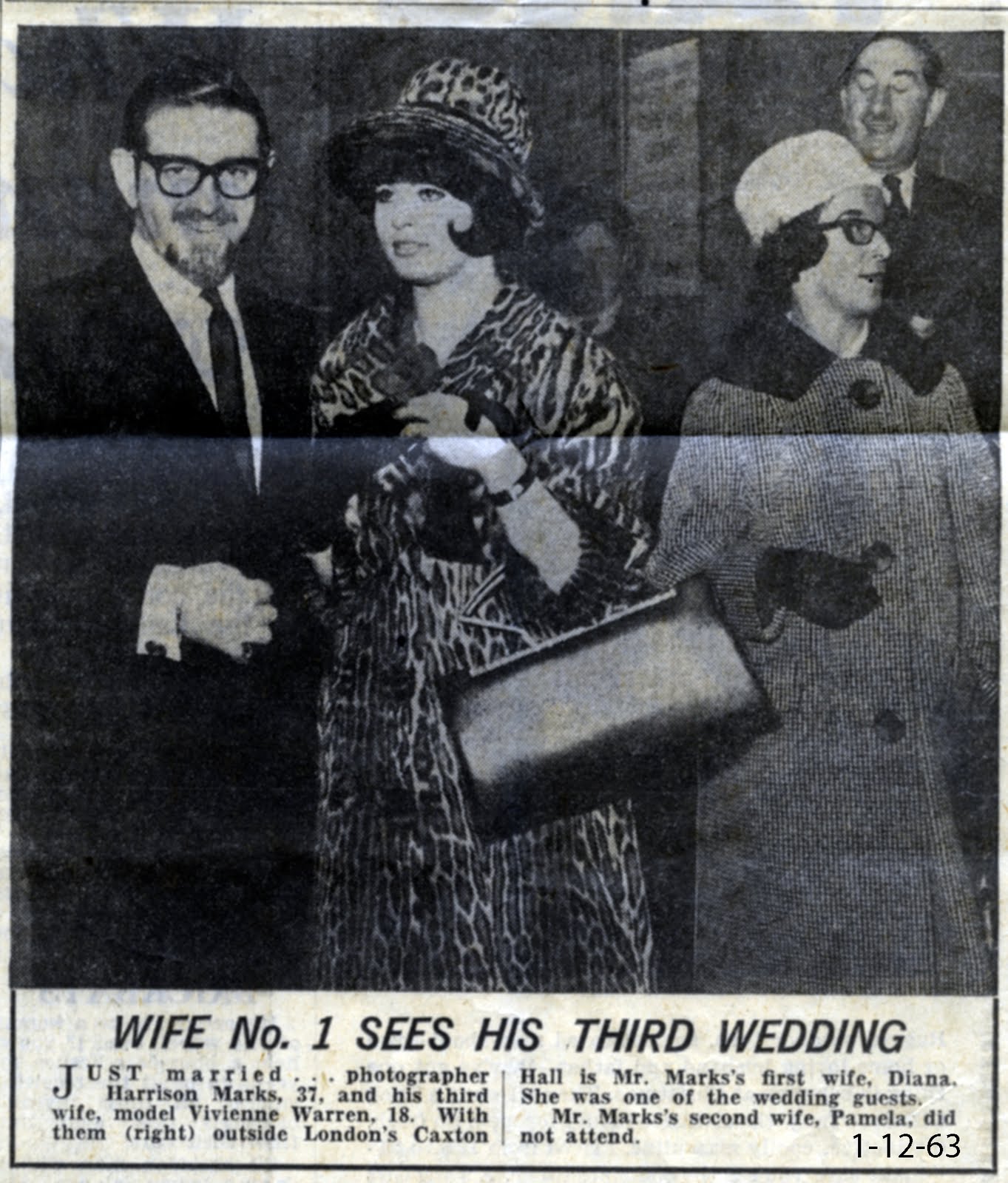
Soho of the 1950s is where Britain’s first contribution to the girl and the gorilla sexploitation subgenre would take shape, thanks to Stanley Long and his cohort Arnold Louis Miller. Long had a great, finger on the pulse, sensibility when it came to the British sex film, to the degree that his subsequent films and successes virtually tell the entire story of the genre, from the nudist camp era of the early 1960s to the moralising, tut, tut and leer approach of the decade’s end, typified by Long’s The Wife Swappers, to the out and out comedy approach that Long’s Adventures of a… series lead the way with in the mid-Seventies. Long was there right at the genre’s humble beginnings in the late 1950’s too, shooting 8mm glamour films designed for home viewing and battling it out in this market with George Harrison Marks for the hearts, minds and money of your average 8mm glamour film loving punter. The Long and Miller team were highly prolific, if the numbering system they used on their 8mm boxes is accurate then Beauty and the Beast was their 114th glamour film. By this time you suspect that Long and Miller as well as Harrison Marks were beginning to see a long-term future for themselves in filmmaking, and started making more elaborate productions with storylines, sets and cinematic aspirations beyond merely filming the local glamour models undressing. Another likely reason for these men upping their game is that they no longer had this market to themselves, with the likes of Pete Walker and various other, now long forgotten also-rans, producing their own glamour films. Amidst an increasingly crowded market, a glamour film with decent production values and a photographer’s eye for nude women would help it stand out among a glut of similar films, as of course would sticking a randy, rampaging gorilla into one of your films.

Beauty and the Beast begins like a zillion other 8mm glamour films, as a stripper takes to the stage, shaking her thing, and orgasmically tugging at the stage’s curtains. Suddenly she is distracted from her act by something in the darkness, something that causes her to have a screaming fit. As I’ve long ago given away the film’s premise, it is going to be no surprise for anyone to discover that the ‘something’ I’m talking about turns out to be a gorilla who has found his way into the club, and much to her horror gets up on stage with her. Evidently her act has stirred up his animal passions, since he is soon beating his chest and making a grab for her. She momentarily manages to distract him by continuing on with her striptease routine, allowing him to have a feel of her thigh as well, but despite or perhaps because of this it is not long before he is all worked up again and inadvertently helping her along with her act by tearing off a few of her clothes. Things become even saucier when the gorilla takes to fondling her onstage then throwing her over his shoulder like a sack of potatoes and disappearing into the night … presumably they both lived happily ever after.

Don’t for a minute question what a gorilla was doing in a Soho strip club? or why nobody in the club bothers to come to the poor girl’s aid? Despite the 8mm box hyping the film’s ‘horrific realism’ Beauty and the Beast clearly has nothing in common with anyone’s idea of reality and instead exists in a wonderfully cuckoo world of its own. Although the 8mm glamour films represent Long’s very first beginnings as a filmmaker, stare long enough at this thing and you’ll see flash forwards to just about every aspect of Long’s future career, its premise is as laugh out loud funny as anything in an ‘Adventures’ film, there are effective flirtations with the horror genre, and the Miller/Long teams’ eye for an absurd spectacle later used to greater effect in their mondo movies London in the Raw and Primitive London, is also present. Come to think about it the contents of Beauty and the Beast wouldn’t be all that out of place in either of those last two films, since according to its credits and publicity materials, Beauty and the Beast is a filmed version of a stage act that the two leads ‘Desiree and Pierre’ were regularly performing at the Casino De Paris strip club around the time the film was released (several adverts for the Casino De Paris, which was located in Soho’s Denman Street, can be seen
here)
The stage origins of this double-act tend to explain Desiree’s hammy attempts at acting. You can’t accuse this gal of holding back, but while mimicking the wild, horrified expressions of women she has seen on one too many horror film posters, and waving her hands about was no doubt a necessity when having to convey terror to the guys at the back of a packed strip club, the same mannerisms just look hilariously over the top when brought to film. Pierre on the other hand obviously had his randy gorilla act down to a tee by the time it got before the camera. Huge close ups of him fill the screen as he obscenely flicks a huge tongue out of that gorilla mask. Goodness knows what he looked like under that costume but in gorilla mode he is nothing short of a perverted gargoyle that any legit horror film of the period would be proud to showcase. The actual nudity in the Beauty and the Beast is quite mild for a glamour film of the time with Desiree managing to keep hold of her nipple tassels and knickers throughout (although she does obligingly bare her boobs for the photo used on the 8mm box). Maybe Long and Miller felt they’d be pushing things a little too far by having her play the film topless, keeping in mind that any leery behaviour or physical interaction between women and men was pretty much unheard of in late 50s glamour films, let alone between a woman and a gorilla.
The gorilla costume itself isn’t half bad as such things go, on a par with the one used in Konga, and a darn sight less embarrassing than the dreaded moth woman outfit that Long was at pains to shoot for The Blood Beast Terror nearly a decade later.
Be warned though, 8mm glamour films and their dirtier, illegal 8mm stag film counterparts from this period still exert their power over the inquisitive, watching them fills your head with questions about the people onscreen, questions that deep down you know you’re unlikely to ever get answers to. Just who were these people? What twists and turns in life brought them to the X-rated moments from it that we see captured on film? And what did they do with the rest of their lives? Could Desiree now be seeing out her days in an old people’s home, telling a carer about the time she danced topless on stage with a gorilla, a carer who never in a million years will imagine she is telling the truth. And wherefore art thou Pierre?, did all the years playing out this routine finally cause him to crack, resulting in him recreating the end of King Kong by climbing to the top of the Windmill Theatre in his gorilla suit and trying to swat imaginary airplanes as a crowd of men in dirty mackintoshes watched on from below. Okay, so I doubt the reality of it was THAT interesting, but I for one would love to know what happened to this double act after they hung up their bra, G-string and a gorilla costume….answers on a postcard please.
Let’s face it, back then the neon jungle of Soho really was a godsend to the filmmakers of this period, providing them with a great, sleazy backdrop for their horror and sex films and various ‘once seen never forgotten’ theatrical sights, from the monkey business on show here, to the weirdo acts in Primitive London, and the show stopping stripper and a dead, stuffed fox routine in Harold Baim’s Get ‘Em Off. Let’s be grateful then that people like Stanley Long were around to film all this, otherwise would anyone today truly believe that a man once made a living by dressing as a gorilla, groping strippers and throwing them over his shoulder. The film itself survives to prove that, yes indeed; once upon a time someone really did occupy this unlikely position in life. Viva Pierre, wherever you are!!